Introduction
As winter approaches, homeowners often seek ways to enhance comfort, save on energy bills, and protect their interiors. One effective yet often overlooked method is the use of blinds and shutters. This article explores the multifaceted benefits of closing blinds and shutters during the winter months, detailing how they contribute to insulation, energy efficiency, and overall home comfort.
Understanding the Importance of Insulation
How Blinds and Shutters Contribute to Insulation
Insulation is crucial for maintaining a stable indoor temperature, particularly during the winter months when external conditions can lead to significant heat loss. Blinds and shutters act as an additional layer of insulation when closed, trapping a pocket of air between the window and the interior of the home. This air layer acts as a buffer against the cold, reducing the amount of heat transfer.
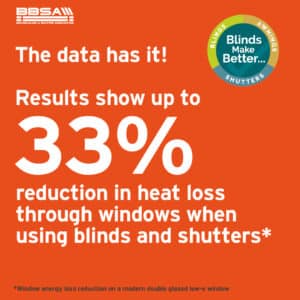
When the blinds and shutters are drawn, they not only obstruct cold drafts but also significantly reduce heat loss through windows, which are often the weakest link in a home’s thermal envelope. Research indicates that effective window treatments can reduce heat loss by up to 25%, highlighting their role as a cost-effective insulation solution.
Comparative Analysis with Other Insulation Methods
While traditional insulation methods such as fiberglass or foam installation are effective, they can be costly and labor-intensive. In contrast, the use of blinds and shutters presents a flexible and easily accessible option for homeowners. Unlike structural insulation, which requires professional installation, blinds and shutters can be installed as a DIY project or easily replaced as styles and preferences change.
Moreover, blinds and shutters offer versatility that static insulation cannot provide. Homeowners can adjust them according to the weather, allowing for optimal control over the indoor climate. This adaptability ensures that homes remain comfortable throughout the fluctuating temperatures of winter.
Energy Efficiency and Cost Savings
Impact on Heating Bills
Keeping blinds and shutters closed during winter can lead to substantial savings on heating bills. Studies show that homes equipped with effective window treatments can save between 10% to 25% on energy costs. By reducing the demand on heating systems, homeowners can enjoy lower monthly utility bills, making this a financially savvy move.
Furthermore, many energy companies offer rebates for energy-efficient home improvements. By investing in quality blinds and shutters, homeowners not only save on energy costs but may also become eligible for these financial incentives, further enhancing their savings.
Long-term Financial Benefits
In addition to immediate savings, the long-term financial benefits of closing blinds and shutters during winter are noteworthy. Proper window treatments can prolong the lifespan of heating systems by reducing their operational load. This reduction minimizes the likelihood of breakdowns and costly repairs, allowing homeowners to allocate their resources elsewhere.
Additionally, energy-efficient homes typically have a higher resale value. Potential buyers recognize the importance of energy efficiency, which can translate into a higher selling price for homes equipped with modern blinds and shutters.
Enhancing Home Comfort
Temperature Regulation
One of the most immediate benefits of closing blinds and shutters is improved temperature regulation within the home. By maintaining a consistent indoor temperature, homeowners can avoid the discomfort caused by cold drafts and fluctuating heat levels. This stability contributes to a more pleasant living environment, essential during the long winter months.
Moreover, blinds and shutters can help regulate sunlight exposure, preventing unwanted heat gain during sunny winter days while keeping the cold at bay at night. This dual functionality ensures that rooms remain cozy and inviting regardless of the weather outside.
Reduction of Drafts
Drafts can significantly undermine home comfort, leading to chilly spots that make living spaces less enjoyable. By closing blinds and shutters, homeowners can effectively block these drafts, creating a more uniform temperature throughout the home. This reduction in drafts not only enhances comfort but also contributes to more efficient heating, as the heating systems do not have to work as hard to maintain warmth.
In essence, the strategic use of blinds and shutters transforms the winter experience, allowing families to enjoy their homes without the discomfort that often accompanies colder months.
Privacy and Security Benefits
Increased Privacy During Longer Nights
Winter nights are longer, which can lead to increased visibility into homes, especially in suburban or urban areas. By closing blinds and shutters, homeowners can ensure their privacy, creating a refuge from the outside world. This added layer of privacy not only promotes peace of mind but also allows families to enjoy their activities without the worry of prying eyes.
Additionally, many decorative blinds and shutters are designed to enhance the aesthetic of a home, contributing to both external appearance and internal ambiance while ensuring privacy during the darker months.
Deterrent Against Intruders
Closed blinds and shutters serve as a visual deterrent against potential intruders. A home that appears lived-in, with its windows covered, is less likely to attract unwanted attention. This protective feature can significantly enhance the security of a home during winter, when longer nights can create opportunities for criminal activity.
Moreover, investing in high-quality, durable shutters can further secure windows, providing an additional layer of protection against break-ins while adding to the overall aesthetic of the home.
Protecting Interiors from Harsh Weather
Preventing Fade and Damage to Furnishings
Winter can bring harsh weather conditions, including snow, rain, and intense cold. Blinds and shutters help protect interiors from these elements by blocking harmful UV rays that can fade and damage furniture, flooring, and artwork. By reducing exposure to harsh weather, homeowners can prolong the life of their furnishings, maintaining the beauty and integrity of their interiors.
In addition to fading, excess moisture can lead to mould and mildew growth, particularly in poorly insulated homes. Closed blinds and shutters can help regulate indoor humidity levels, safeguarding both furnishings and the health of the home’s inhabitants.
Reducing Condensation and Mould Growth
Condensation can be a significant issue during winter, especially in homes with high humidity levels. When warm air meets cold surfaces, like windows, it can lead to moisture buildup and potential mould growth. By keeping blinds and shutters closed, homeowners can minimize the temperature differential that contributes to condensation, effectively reducing the risk of mould and related health issues.
This protective measure is essential for maintaining a healthy living environment, particularly for families with children or individuals with respiratory concerns. A focus on indoor air quality is critical during the winter months, when homes are often sealed tight to retain heat.
Conclusion
In summary, closing blinds and shutters during winter provides a multitude of benefits that enhance comfort, security, and energy efficiency. From significant savings on heating bills to increased privacy and protection for interiors, these simple measures can have a lasting impact on the overall quality of life in the home. Homeowners who embrace these strategies can look forward to a more comfortable and economical winter.
Frequently Asked Questions (FAQs)
1. How much can I save on energy bills by closing blinds and shutters?
Research suggests that homeowners can save between 10% to 25% on energy costs by effectively utilizing blinds and shutters, depending on the size and type of window treatments.
2. Do blinds and shutters provide adequate insulation compared to traditional methods?
While they may not replace structural insulation, blinds and shutters offer a significant reduction in heat loss, making them an effective supplementary solution for energy efficiency.
3. How do I choose the right blinds or shutters for winter?
When selecting blinds or shutters, consider materials with thermal properties, such as cellular shades or heavy-duty plantation shutters, which are designed to provide better insulation.
4. Can blinds and shutters help with noise reduction in addition to insulation?
Yes, many window treatments can also reduce noise transmission, providing a quieter home environment, particularly beneficial in urban areas.
5. Are there any maintenance tips for keeping blinds and shutters in good condition during winter?
Regular cleaning and inspection for any damages can ensure optimal performance. Additionally, checking for proper sealing around windows can further enhance their insulation capabilities.