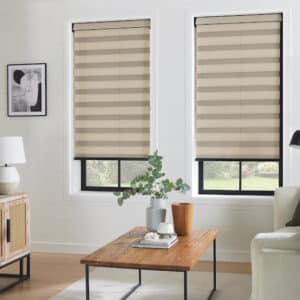
The Surprising Connection: How Closing Blinds or Shutters Can Impact Indoor Temperature on Hot Summer Days
When the summer heat is at its peak, many homeowners turn to a common practice: closing blinds or shutters to keep their homes cool and comfortable. However, what if we told you that this seemingly logical solution could have an unexpected consequence? Get ready to discover the surprising connection between closing blinds or shutters and the indoor temperature of your home on those scorching summer days.
To understand this surprising phenomenon, let’s delve into the concept of the “greenhouse effect.” When you close your blinds or shutters, it creates a barrier that traps heat inside the room, similar to how a greenhouse retains warmth. The sunlight that enters the room gets trapped, making it challenging for the heat to escape.
Several factors contribute to the greenhouse effect when blinds or shutters are completely closed. One significant factor is the reduction in air circulation and restricted airflow within the closed environment. Without proper ventilation, the trapped heat has nowhere to dissipate, leading to a gradual increase in the room’s temperature.
It may come as a surprise that closing blinds or shutters can actually make your home feel warmer instead of cooler. The trapped heat inside the room leads to an unintended consequence, resulting in increased temperatures that counteract the desired cooling effect. This revelation challenges the conventional belief that closed blinds or shutters provide effective heat reduction.
In certain scenarios, the greenhouse effect becomes even more pronounced. Rooms that receive direct sunlight throughout the day or those with inadequate insulation are particularly susceptible to this phenomenon. Striking a delicate balance between natural light, heat reduction, and airflow is crucial for maintaining optimal comfort within your home.
To mitigate the greenhouse effect and ensure a comfortable indoor temperature, consider the following tips:
- Strategic Adjustments: Instead of completely closing blinds or shutters, try adjusting them to allow controlled airflow while still blocking direct sunlight. This way, you can maintain a balance between natural light and heat regulation.
- Utilize Window Treatments: Explore the use of window treatments that provide both privacy and insulation. Options like cellular shades or insulated curtains can help minimize heat transfer and maintain a comfortable temperature.
- Time-Based Approach: Take advantage of cooler periods during the day or evening by opening windows and blinds/shutters to allow fresh air to circulate. This can help cool down your home without relying solely on mechanical cooling systems.
In conclusion, the surprising connection between closing blinds or shutters and the impact on indoor temperature challenges our preconceived notions. Understanding the greenhouse effect sheds light on why closed blinds or shutters can sometimes make your home feel warmer on hot summer days. By reevaluating your cooling strategies and finding the right balance between natural light, heat reduction, and airflow, you can create a comfortable living space that effectively manages indoor temperature while maximizing energy efficiency.
Take control of your home’s temperature during the sweltering summer months. Explore alternative strategies that optimize comfort without sacrificing energy efficiency. By adapting your approach to blinds and shutters, you can create a cool oasis within your home, allowing you to beat the heat while enjoying a comfortable living environment.